
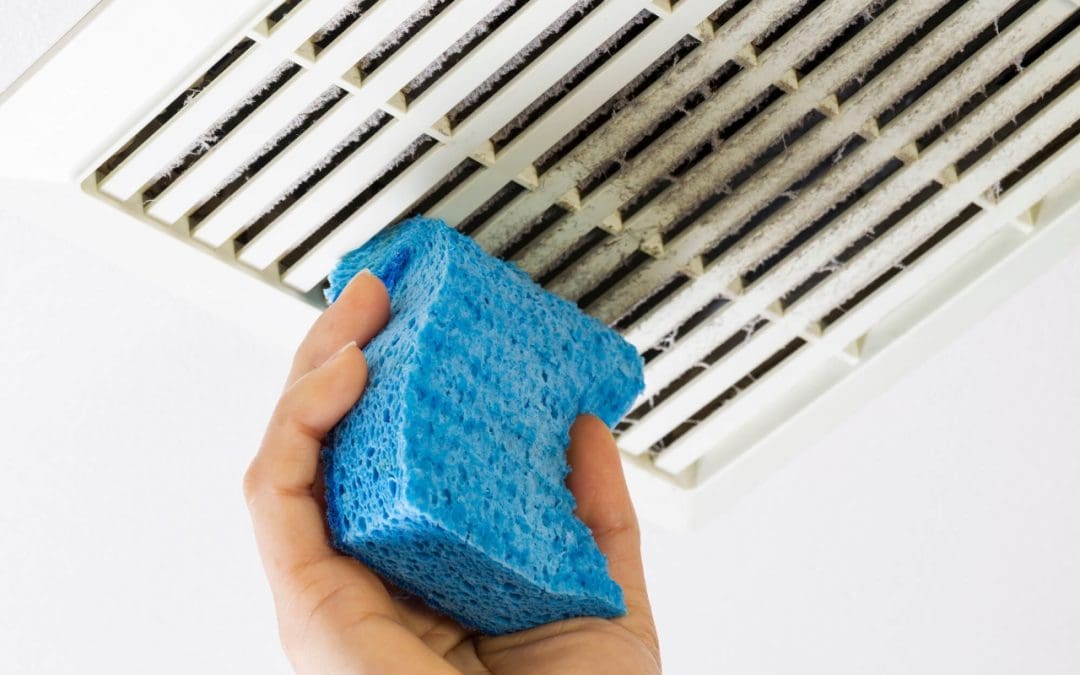
Clean indoor air plays a major role in comfort, health, and overall home efficiency. One often overlooked component of indoor air quality is the condition of the HVAC ductwork. Over time, dust, debris, and other contaminants accumulate inside the system, circulating through living spaces every time heating or cooling runs. Understanding when and why to clean the air ducts will help homeowners make informed decisions that support a healthier home environment.
Why It Matters to Clean the Air Ducts
Air ducts act as the delivery system for conditioned air throughout a home. When they are clean, airflow is more efficient, and indoor air tends to be fresher. When neglected, these ducts distribute dust, allergens, and odors throughout every room. Homes with pets, recent renovations, or high outdoor pollen levels may experience faster buildup, making it especially important to clean the air ducts periodically. Poor indoor air quality has been linked to allergy flare-ups, respiratory irritation, and persistent odors. While duct cleaning is not a cure-all, it is a valuable part of a comprehensive approach to maintaining a healthy indoor environment, especially when combined with proper filtration and regular HVAC maintenance.
Signs It May Be Time to Clean the Air Ducts
Some indicators are subtle, while others are more obvious. Excessive dust settling on surfaces shortly after cleaning may point to dirty ductwork. Musty or stale smells when the HVAC system turns on may also signal buildup inside the ducts. In more noticeable cases, homeowners may see dust or debris blowing from supply registers. Another common scenario involves major life or home changes. After remodeling projects, construction dust can linger inside ducts. Similarly, moving into a previously owned home often raises questions about past maintenance. In these situations, choosing to clean the air ducts will provide peace of mind and a fresh start.
How Dirty Ducts Affect HVAC Performance
Beyond air quality, dirty ducts influence how well an HVAC system operates. When dust and debris restrict airflow, the system may need to work harder to maintain desired temperatures. This could contribute to uneven heating or cooling, higher energy bills, and additional wear on components. Clean ducts allow air to move more freely, supporting consistent comfort throughout the home. While duct cleaning alone will not solve all efficiency issues, it complements other maintenance tasks such as filter changes and equipment servicing, helping the system perform as designed.
Professional Methods Used to Clean the Air Ducts
Professional duct cleaning typically involves specialized equipment designed to dislodge and capture debris without spreading it through the home. High-powered vacuums, agitation tools, and sealed collection systems are commonly used to address both supply and return ducts. Reputable professionals also inspect the system before and after service, noting conditions such as excessive contamination, damaged ductwork, or signs of moisture. This process ensures the work is targeted and effective rather than superficial. Choosing qualified providers is essential, as improper techniques can do more harm than good.
How Often Should Air Ducts Be Cleaned
There is no universal schedule that fits every home. Many homeowners consider duct cleaning every few years, while others may only need it after specific events, such as renovations or water damage. Factors such as household size, pets, allergies, and local environmental conditions all play a role. Rather than relying solely on a timeline, it is helpful to evaluate symptoms, system performance, and visual indicators. Consulting with an HVAC or indoor air quality professional will help determine whether it is time to clean the air ducts or if other improvements would be more beneficial.
Keeping indoor air clean is an ongoing process, and maintaining ductwork is a crucial part of that effort. For homeowners focused on comfort, efficiency, and air quality, taking the time to clean the air ducts is a practical step toward a healthier living environment.
Frequently Asked Questions (FAQs)
Does cleaning air ducts improve indoor air quality?
Cleaning air ducts reduces the circulation of dust and debris, which could improve indoor air quality, particularly for individuals sensitive to allergens. Results vary depending on the overall condition of the home and its maintenance practices.
Is duct cleaning necessary for new homes?
Even new homes could have construction debris inside ductwork. In some cases, an initial cleaning can be beneficial, especially if drywall dust or other debris is present.
Can homeowners clean air ducts themselves?
Homeowners can handle basic vent cleaning and filter replacement, but thorough duct cleaning requires professional equipment and expertise to avoid damaging the system.
How long does professional duct cleaning take?
Most residential services take a few hours, depending on the size of the home and the complexity of the HVAC system.
Will duct cleaning reduce energy costs?
While not guaranteed, cleaner ducts support better airflow, which may contribute to improved system efficiency and more consistent comfort.
Libra Inspections provides home inspections in Central Illinois. Contact us to request our services.